 Water & Coast
Wild swimming
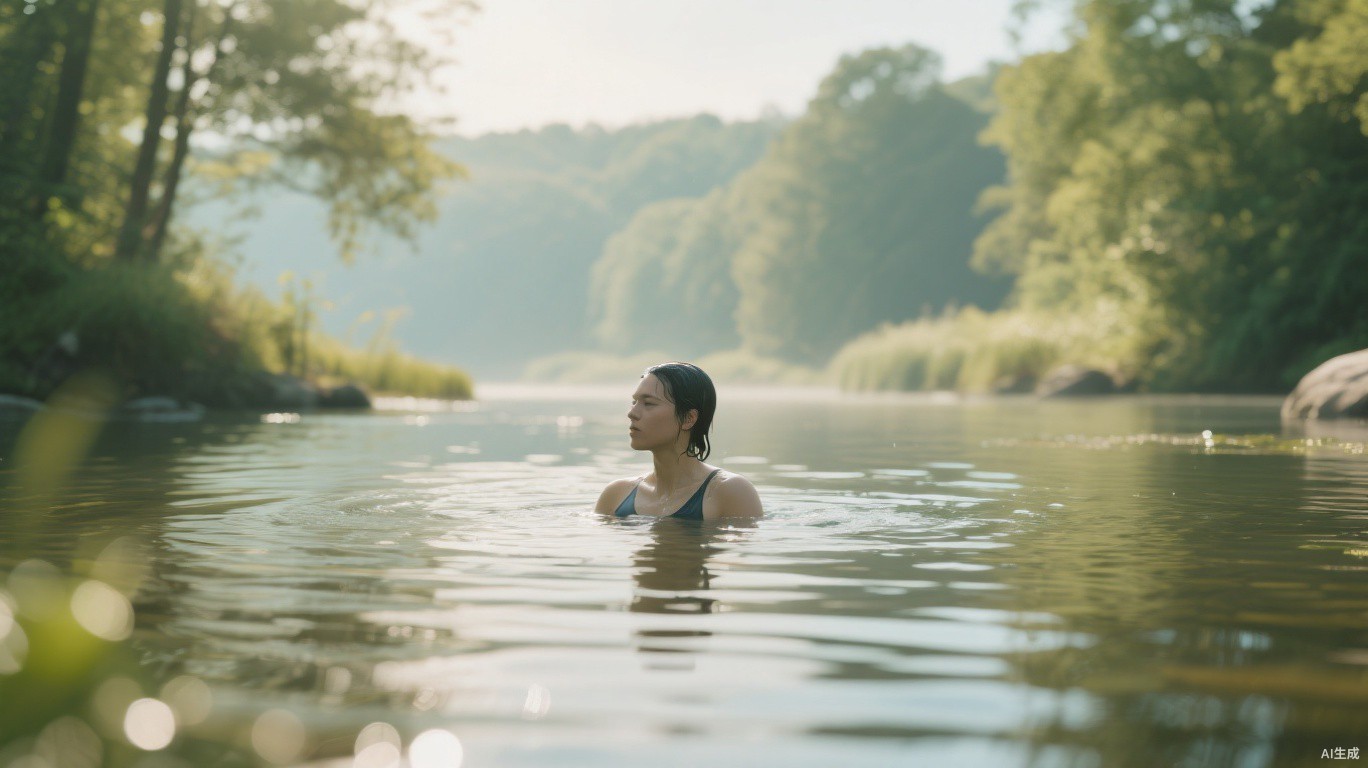
A thoughtful guide to wild swimming: water temperature, the horizon, and the rhythm of an easy stroke, a manageable first practice, and the care that makes it sustainable.
Find a little calmA thoughtful guide to coastal beachcombing: wave rhythms, pebble textures, and changing tidal patterns, a manageable first practice, and the care that makes it sustainable.

Coastal beachcombing offers a way to spend time outdoors with curiosity rather than a demand to perform. The starting point for this guide is the supplied article, which describes the practice as part of a wider movement toward nature connection and relief from everyday overload. Here, that idea becomes a practical invitation: choose a manageable setting, give yourself permission to go slowly, and notice what is happening around you. You do not need to feel peaceful immediately. Some days, simply being in a different environment is enough.
Mindful coastal beachcombing and marine ecology observation—the peaceful practice of walking along ocean shorelines to observe sea shells, drift wood, rockpool marine life, and coastal flora—offer a soothing, restorative outdoor escape for people of all ages. Moving slowly along the water's edge at low tide, beachcombers scan wet sand and rocky intertidal pools, finding unique natural treasures washed ashore by ocean waves. This unhurried coastal walk combines gentle physical movement with the rhythmic, therapeutic sounds and salty air of ocean environments.
The original material connects coastal beachcombing with stress relief and physiological restoration. Those ideas need careful interpretation. A pleasant experience is not the same thing as a proven medical treatment, and an individual feeling calmer does not establish a specific hormonal, immune, or neurological effect. Nature-based activities may support wellbeing through enjoyable movement, reduced interruption, sensory attention, and meaningful social contact. The strength of evidence varies by activity, population, and outcome. This guide does not promise changes in dopamine, inflammation, immunity, or disease risk.
A useful personal goal is modest and observable: perhaps you would like to stop checking your phone for a while, loosen tense shoulders, or become interested in something beyond a difficult workday. Pay attention to wave rhythms, pebble textures, and changing tidal patterns. If the experience brings up restlessness instead of calm, that is information rather than failure. You can shorten the session, invite someone along, change location, or choose another practice. Outdoor wellbeing should complement appropriate healthcare, not replace assessment or treatment for persistent anxiety, depression, pain, or other health concerns.
For an introductory session, consider a public shoreline with a safe route back. Familiarity is often more useful than dramatic scenery. Check access rules, opening times, weather, and the easiest way to return before leaving. Look for somewhere you can stop without obstructing other people. Think about toilets, seating, transport, and mobile reception if those affect your comfort. A place that feels manageable encourages you to attend to your surroundings; a place that feels threatening may keep your attention fixed on risk. There is no requirement to travel far or find a perfectly silent landscape.
Bring grippy shoes, weather protection, a tide timetable, and a rubbish bag. Prepare for the actual conditions rather than the photograph you hope to take. Let a trusted person know your plans when you will be away from familiar populated areas, and keep an alternative available if conditions change. Beginners benefit from qualified local instruction whenever specialist equipment, water, heights, difficult terrain, or extreme temperatures are involved. Accessibility needs are individual: inspect surfaces and gradients, ask operators concrete questions, and select a version that suits your body rather than copying somebody else’s route.
Begin simply: walk above the active surf line and observe three different shoreline materials. Before you start, notice how you are feeling without assigning yourself a score to beat. Are your thoughts racing, are you tired, or are you simply curious? Set aside a brief, flexible period and keep your return journey easy. A calm outing can include ordinary interruptions, other visitors, imperfect weather, and moments when your attention wanders. When that happens, return to one detail you can genuinely observe instead of trying to force a special state of mind.
As you continue, allow wave rhythms, pebble textures, and changing tidal patterns to guide your attention. Describe an observation in plain language: a sound is farther away than another sound, the light has shifted, or your movement feels easier after adjusting your position. Avoid turning every sensation into a diagnosis. If you are with someone, agree whether you prefer conversation or a little shared quiet. Finish while you still have enough energy and time to return comfortably. A short successful first experience creates a more sustainable foundation than an exhausting attempt to do everything at once.
The most relevant concerns here include rising tides, unstable cliffs, sharp debris, and unexpected waves. Check current local guidance, and do not assume that a setting described as peaceful is automatically safe. Conditions can change quickly, especially around water, in mountains, at night, and during temperature extremes. Stop when you feel unwell, uncertain, or out of your depth. If chest pain, severe breathing difficulty, fainting, confusion, or another urgent symptom occurs, seek immediate medical assistance. Do not continue an activity to prove resilience or to imitate an impressive experience described online.
If you have a condition affected by exercise, temperature, balance, sensation, or medication, discuss suitability with a qualified healthcare professional before trying a demanding version. Cold water, hot pools, unfamiliar plants, and exposed landscapes deserve particular caution. Gentle breathing means breathing comfortably; avoid deliberate hyperventilation or breath-holding in or near water. Children need appropriate supervision, and pets must follow local rules. The most restorative choice may be an easier alternative: viewing water from shore, observing plants without collecting them, or enjoying the landscape from an accessible seat.
For this practice, a useful starting principle is to leave living creatures and natural habitat materials where you find them. Learn the rules of the particular site rather than relying on a generic label such as eco-friendly. Stay within permitted access areas, carry out your rubbish, and give wildlife enough distance to continue its normal behavior. Natural materials that look like souvenirs can provide shelter, nutrients, or breeding habitat. A quiet encounter does not need a collected object to make it meaningful.
The supplied article also emphasizes ecological connection and community. That connection becomes more substantial when it changes how we behave: respecting closures, supporting responsible local guides, learning the names of common species, or joining a properly organized conservation effort. Share the experience thoughtfully, without revealing sensitive nesting locations or encouraging unsafe imitation. Your attention can be a form of care when it leaves the landscape undisturbed.
After coastal beachcombing, write down one specific thing you noticed and one practical adjustment for next time. Perhaps the location was too busy, a layer would have made you more comfortable, or a shorter session fitted your day better. Record your own experience rather than searching for the response you think you should have had. If you enjoyed the practice, choose a realistic occasion to repeat it; if not, explore another form of outdoor attention. Consistency grows from genuine interest, not from obligation.
There is also a small version for ordinary days. Look at a tree from a window, spend a few minutes in an accessible green space, or revisit your observations in a notebook. These alternatives are not identical to a specialist outdoor activity, but they preserve its central invitation: step away from constant demands and relate to the living world with more patience. The aim is not to become perfectly calm. It is to make room for attention, appropriate movement, and a kinder pace within the life you already have.
Original dataset topic: Mindful Coastal Beachcombing and Marine Ecology Observation: Tidal Solace and Ocean Discovery.
The supplied dataset uses an example.com source link. This is an editorial starting point, not a verified research citation. Medical claims have been moderated. This guide is educational, not medical advice. Photography is illustrative.
Water & CoastA thoughtful guide to wild swimming: water temperature, the horizon, and the rhythm of an easy stroke, a manageable first practice, and the care that makes it sustainable.
Find a little calm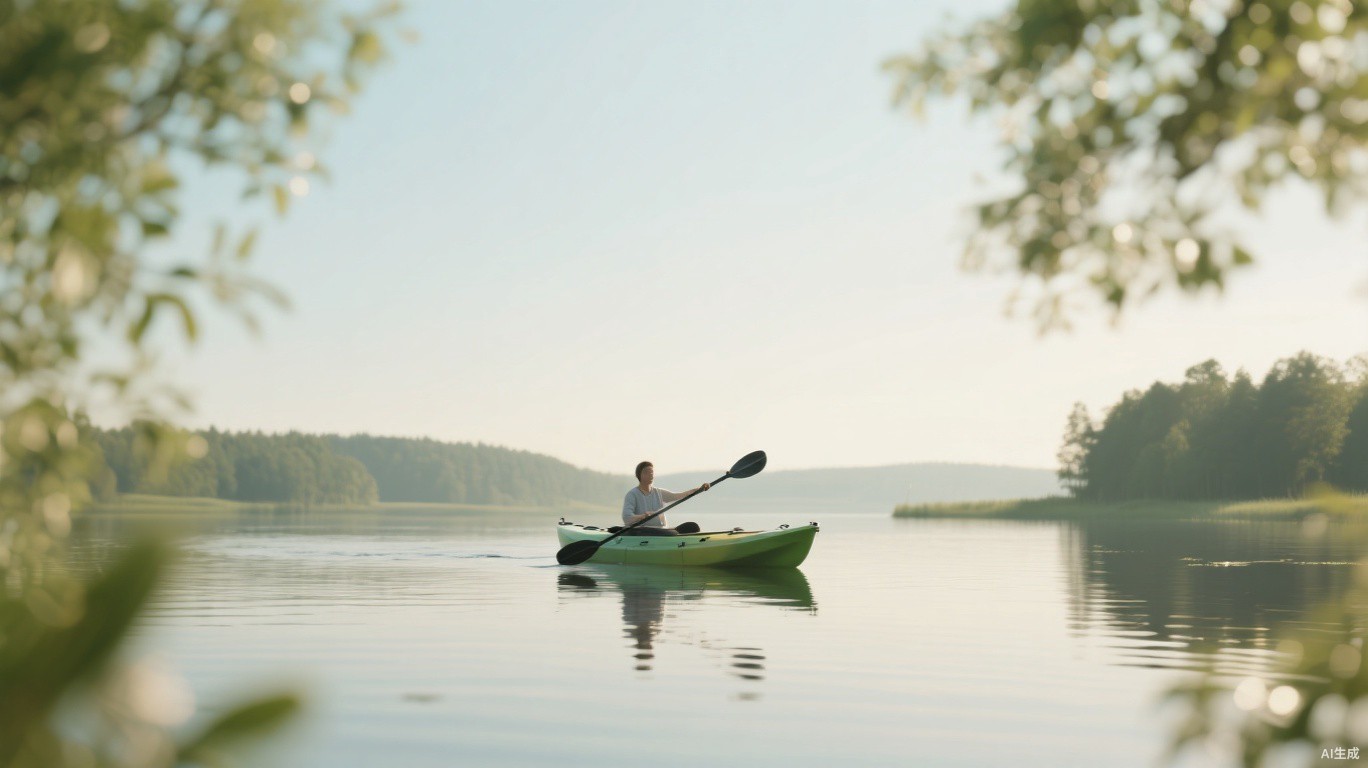 Water & Coast
A thoughtful guide to slow kayaking: paddle rhythm, reflected light, and quiet shoreline life, a manageable first practice, and the care that makes it sustainable.
Find a little calm Water & Coast
A thoughtful guide to paddleboard yoga: gentle rocking, core balance, and the open sky, a manageable first practice, and the care that makes it sustainable.
Find a little calm